The rebuilding of Shah Mastana Ji Dham in Sirsa marks one of the biggest transformations in the Dham’s history since its establishment in 1948.
The previous structure served devotees for decades. However, the growing number of visitors created a need for larger spaces and modern facilities. The rebuilt Dham now combines expanded infrastructure with practical upgrades that improve the experience of both sangat and sewadars.
From the grand entrance gates to the modern langar system, almost every part of the complex has been redesigned.
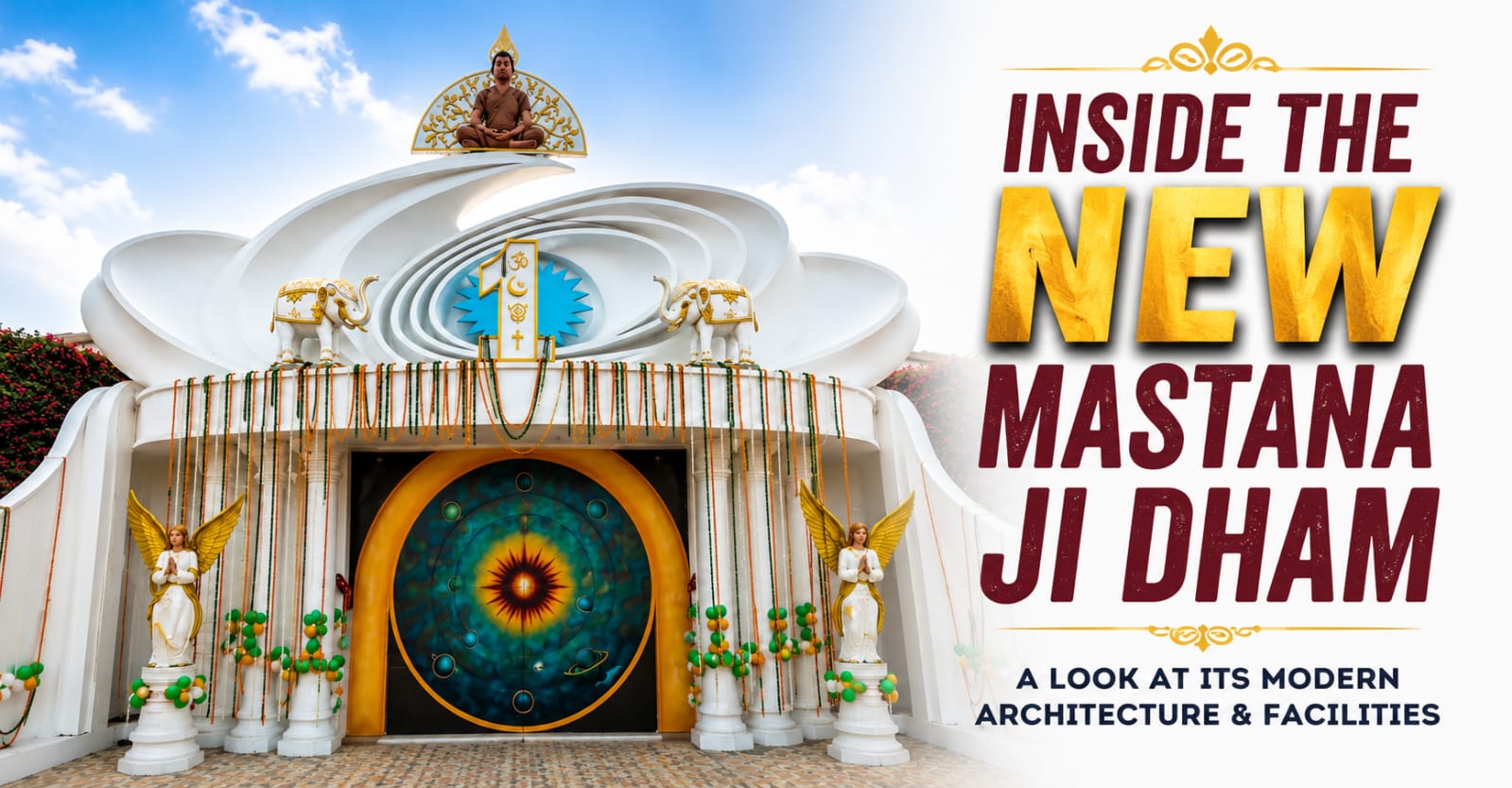
Three Grand Entrance Gates Welcome Visitors
The first thing visitors notice is the three newly constructed entrance gates of the New Shah Mastana Ji Dham.
These gates have become iconic architectural features of the complex. Their impressive size, elegant design, and modern style create a memorable first impression.
Besides enhancing the appearance of the Dham, the gates improve visitor movement. Multiple entry points help manage large crowds during major events.
A Larger Pandaal for Growing Sangat
The new Dham includes a much larger pandaal than the previous structure.
The expanded gathering area accommodates significantly more devotees during religious and social events.
Key Benefits of the New Pandaal
- Increased seating capacity
- Better crowd movement
- Improved event management
- Greater comfort for visiting devotees
The larger pandaal prepares the Dham for future growth while maintaining a comfortable environment for everyone.
Modern Langar Facilities and an Upgraded Canteen
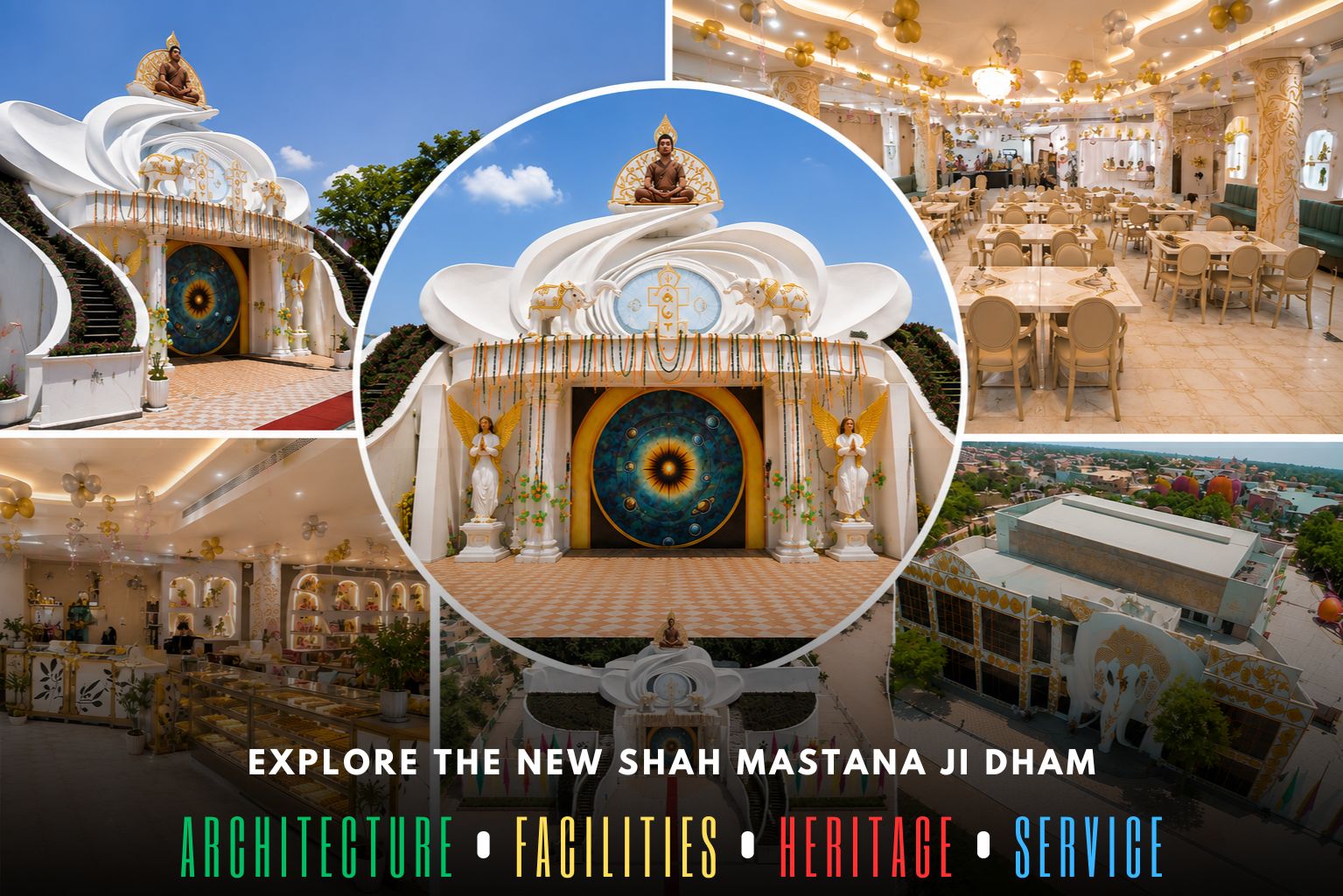
The rebuilding project also introduced modern food preparation facilities.
The new langar area features advanced equipment designed for large-scale food service. These improvements increase efficiency and reduce manual effort.
As a result, sewadars can devote more time to serving visitors. The upgraded canteen will also better support major gatherings and special occasions.
Improved Water Infrastructure
The rebuilt Dham places strong emphasis on efficient water management.
A large water tower now supplies the growing needs of the complex. Engineers also developed a dedicated rainwater harvesting system to collect and store rainwater for future use.
These improvements combine modern infrastructure with responsible resource management.
Better Facilities for Sewadars and Visitors
The reconstruction project also improved accommodation facilities.
New rooms and upgraded amenities provide greater comfort for sewadars and visiting devotees who stay at the Dham for extended periods.
These facilities support the increasing number of visitors throughout the year.
Preserving the Legacy of the Old Dham
Although the Dham has been rebuilt, its historical connection remains strong.
Builders reused bricks from the earlier structure during construction. This thoughtful decision preserves a physical link between the old and new Dham.
Many visitors appreciate this balance between modernization and heritage.
Visitors Appreciate the Transformation
Many devotees described the rebuilt Dham as grand, beautiful, and inspiring.
Some admired the impressive entrance gates, while others appreciated the spacious pandaal and upgraded facilities.
Many visitors also welcomed the decision to reuse materials from the previous structure. They believe this preserves the Dham’s legacy while embracing the future.
Conclusion
The New Shah Mastana Ji Dham represents much more than a renovation project. It combines modern infrastructure with respect for its rich history.
The larger pandaal, grand entrance gates, upgraded langar facilities, improved water systems, and better accommodation prepare the Dham for future generations.
At the same time, the reuse of bricks from the earlier structure preserves its historical identity. This thoughtful blend of tradition and progress makes the New Shah Mastana Ji Dham a remarkable spiritual landmark.
Truly impressive architecture! The blend of modern design with a peaceful atmosphere is wonderful.