


Introduction
For many people, a leader is known for social work. Gurmeet Ram Rahim’s eco initiative, DSS sustainability brought attention to green work in North India. In this article, you will read simple facts. Also, you will see how the Dera Sacha Sauda (DSS) worked on trees, water, and cleanliness. This piece is for class 10 students. Sentences are short and clear. You can read examples, history, and analysis.
What were the main actions of the DSS?
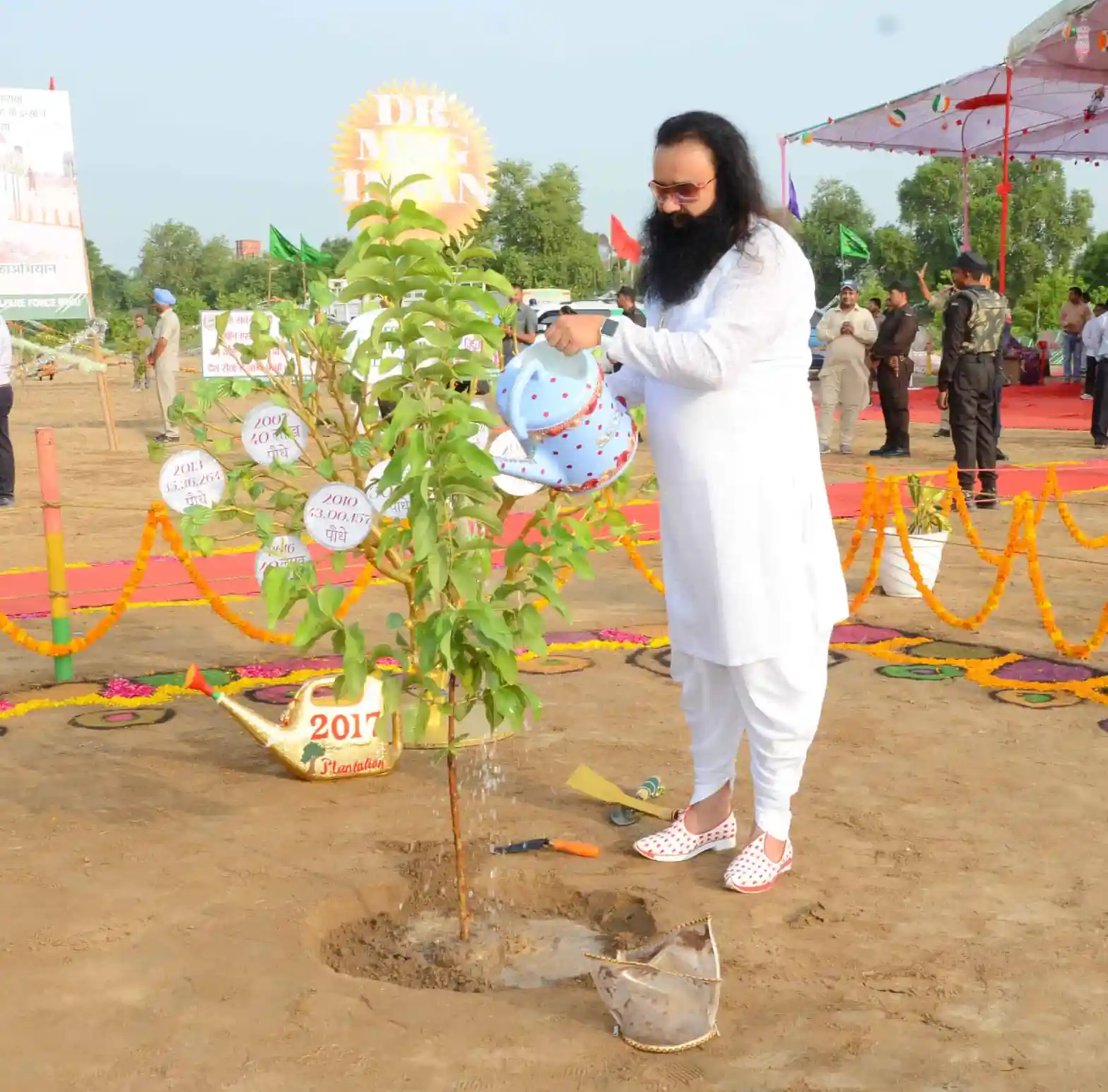
Ram Rahim’s eco initiative, Dera Sacha Sauda ran many green actions. These steps helped towns and villages. They included:
– Tree planting drives in villages and towns.
– Clean-up campaigns for rivers, roads, and public places.
– Water conservation and rainwater harvesting.
– Animal rescue and care centers.
– Teaching volunteers about recycling and composting.
Understanding Ram Rahim’s Eco Initiative Through Simple Examples
For example, a group of volunteers planted saplings around a village school. They also dug small ponds to catch rain. You can see that a small step becomes useful over time. Also, volunteers cleaned riverside areas. These acts taught people to keep nature clean.
History — How the Eco work began
Dera Sacha Sauda started social work decades ago. Over the 2000s and 2010s, the group increased focus on the environment. Ram Rahim’s eco initiative teams organized big drives with many volunteers. By 2010, regular plantation drives and cleanliness events became common. The Dera used its local centers to teach people about trees and water. This history shows a shift from charity to sustainability.
Ram Rahim‘s role and influence
Ram Rahim led many campaigns and asked followers to join. He spoke about care for nature in public events. His messages encouraged volunteers to plant trees and save water. Because he had many followers, his calls reached many places. This influence made quick local changes. Also, DSS set up training for volunteers on how to plant and care for trees.
Comparison & Analysis — How DSS sustainability compares
Compare Baba Ram Rahim’s eco initiative (DSS Sustainability Drives) with Other Environmental Groups
– Scale: DSS used many volunteers from local centers. This gave large manpower.
– Focus: DSS worked on trees, water, and animal welfare. NGOs often focus on one area.
– Speed: With many volunteers, DSS could do quick drives.
– Sustainability: Some programs had long-term follow-up, while others were one-time events
Analysis: The strength of the Dera was its large, organized volunteer base. Also, having local centers helped continue work. On the other hand, long-term ecological studies and scientific monitoring were less visible. Still, many local communities benefited from cleaner roads, more trees, and better water storage.
Why environmentalists noticed these efforts
Environmentalists watch actions, not just words. They saw:
– Large tree-planting events with many saplings.
– Community clean-ups that reduced local garbage.
– Education drives on saving water.
Also, environmentalists said that such mass action can raise public awareness. The scale and visibility helped. In many places, local groups joined hands with DSS volunteers.
Real benefits for students and towns
Students and local people saw real changes:
1. Shade and fewer hot spots near schools from new trees.
2. Cleaner roads and public areas after clean-up days.
3. More local awareness about using less water.
4. Small ponds helped recharge groundwater for wells.
How Students Can Join Ram Rahim’s Eco Initiative
– Plant a sapling at home or school.
– Join a local clean-up weekend.
– Make a small rainwater pit or use buckets to save rain.
– Learn composting for kitchen waste.
These small acts are like DSS actions but on a school level.
Evidence and dates (what we can say factually)
Dera Sacha Sauda ran many organized drives in the 2000s and 2010s. Public events for tree planting and cleanliness were reported by local newspapers during these years. Ram Rahim’s eco initiative often led or supported these programs. The exact numbers of trees planted vary in reports. But many local communities reported cleaner areas and more green cover after drives held in this time period.
Strengths and limits of the programs
Strengths:
– Large volunteer base.
– Quick mobilization for drives.
– Visible local results.
Limits:
– Long-term ecological study was limited.
– Some programs needed more scientific planning.
– Follow-up care for saplings sometimes varied.
Why limits matter
Planting trees is good. But trees need care to grow. Water harvesting helps only if maintained. Environmentalists point this out. Still, mass action creates awareness and a start. You can see that both action and follow-up matter.
Stories from the ground
A school teacher in a small town said that after a DSS plantation day in 2012, students began a gardening club. For example, they watered new trees each week. Another village reported less trash on the streets after a month of clean-up drives. Such small stories show how behavior can change.
Comparison with NGO models
Many NGOs plan projects with scientists and long-term budgets. Baba Ram Rahim’s eco initiative, DSS work was more volunteer-driven and fast. Both models help. NGOs bring research and monitoring. Volunteer movements bring manpower and social reach. For real change, both are useful together.
How this links to broader environmental goals
Baba Ram Rahim’s eco initiative, DSS sustainability connects to national goals. These include more trees, cleaner rivers, and saving water. When many groups act, the country moves toward better air, soil, and water. Also, young people learn to care for nature early.
Tips for measuring success
– Count surviving trees after 1 year.
– Check groundwater levels in wells.
– Survey local people for cleanliness and waste habits.
These steps show if the program truly helped.
Practical lessons for students
– Plan small drives with friends.
– Keep records: date of planting, watering schedule.
– Talk to local elders for help.
Also, use social media to invite more volunteers.
FAQs
Q1. What is Ram Rahim’s eco initiative, DSS sustainability?
It refers to green programs led by Ram Rahim’s eco initiative and Dera Sacha Sauda, like tree planting, cleanups, and water work.
Q2. Are these programs helpful long term?
They raise awareness and give local benefits. Long-term success needs follow-up and care.
Q3. Can students copy these programs?
Yes, schools can easily run tree drives, clean-up campaigns, and composting projects inspired by Ram Rahim’s Eco Initiative.
Q4. Did these drives happen recently?
Many drives took place in the 2000s and 2010s. Local events may still occur in some areas.
Q5. Who benefits most from these actions?
Local communities, schools, and the environment all gain from cleaner spaces and more trees.
Q6. Do experts support such volunteer drives?
Many experts like public awareness drives but ask for scientific planning and monitoring too.
Q7. How do these efforts fit with national goals?
These efforts, part of Ram Rahim’s Eco Initiative, support wider targets for forest cover, clean water, and public health.
How people reacted — positive view
Many people praised the volunteer energy. Local leaders welcomed cleaner streets and new trees. Environmentalists often said that such mass action helps change habits. Also, students felt proud to take part. This support shows the social value of the work.
Conclusion
Baba Ram Rahim eco initiative, DSS sustainability shows how a social group can unite people for green work. The drives gave quick local benefits. Also, they raised public awareness about trees, water, and cleanliness. For stronger results, scientific follow-up and care matter. What do you think? Have you joined a plantation or clean-up drive? Share your story in the comments.
