No Religion Teaches Cruelty: Why Compassion Towards All Living Beings Is the True Essence of Spirituality

What Does "No Religion Teaches Cruelty" Mean?

Understanding the Basics

The phrase “No Religion Teaches Cruelty” means that genuine spiritual teachings encourage compassion, kindness, mercy, empathy, and respect for life. Although religious traditions may differ in practices and beliefs, they consistently promote humane values that inspire people to care for others, protect animals, and contribute positively to society.

The belief that No Religion Teaches Cruelty highlights a universal message of kindness, empathy, and social responsibility. Rather than encouraging hatred or harm, authentic spiritual teachings inspire individuals to live with understanding, mercy, and respect for all living beings.

Moreover, today’s world faces numerous social, environmental, and ethical challenges. As a result, the importance of compassion has become greater than ever. True spirituality is not defined solely by rituals or ceremonies. Instead, it is reflected through actions that demonstrate care, responsibility, and concern for others.

Furthermore, compassion creates stronger communities, healthier relationships, and a more peaceful society. Whether expressed through helping those in need, supporting animal welfare, protecting nature, or performing acts of kindness, compassion remains the foundation of meaningful spiritual growth.

Ultimately, the message is simple yet powerful: No Religion Teaches Cruelty. Every genuine spiritual path encourages individuals to embrace kindness, respect for life, and compassion towards all living beings.

Why No Religion Teaches Cruelty

  1. Every major spiritual tradition promotes compassion.
  2. Kindness strengthens communities and relationships.
  3. Respect for life is a universal moral principle.
  4. Cruelty creates suffering, while compassion promotes harmony.
  5. Spiritual growth is reflected through actions, not words alone.

Compassion as a Universal Spiritual Value

Compassion stands as a timeless spiritual principle that unites people across cultures and traditions. Rather than being limited to beliefs or rituals, it reflects a sincere willingness to understand and uplift others during difficult moments.

Moreover, this quality encourages individuals to look beyond personal interests and develop a deeper awareness of human Unity. As a result, relationships become stronger, communities grow more harmonious, and everyday interactions gain greater meaning.

However, genuine care is not merely an emotion—it inspires positive action. Whether expressed through kindness, patience, or support, such gestures create a lasting impact. Therefore, compassion remains a powerful force for personal growth, social harmony, and inner fulfillment.

Why Compassion Matters in Modern Society

In today’s fast-paced world, compassion is more important than ever. As people face increasing stress, social pressures, and emotional challenges, a thoughtful and understanding approach can make a meaningful difference in daily life.

Furthermore, genuine concern for others helps build trust, strengthen relationships, and create a greater sense of belonging. Small acts of kindness often inspire positive responses, encouraging cooperation and mutual respect within communities.

However, modern society frequently emphasizes competition and individual success. Therefore, choosing empathy and consideration becomes a powerful way to promote balance, reduce division, and foster a more supportive environment for everyone.

Respect for Every Living Being: Building a More Compassionate World

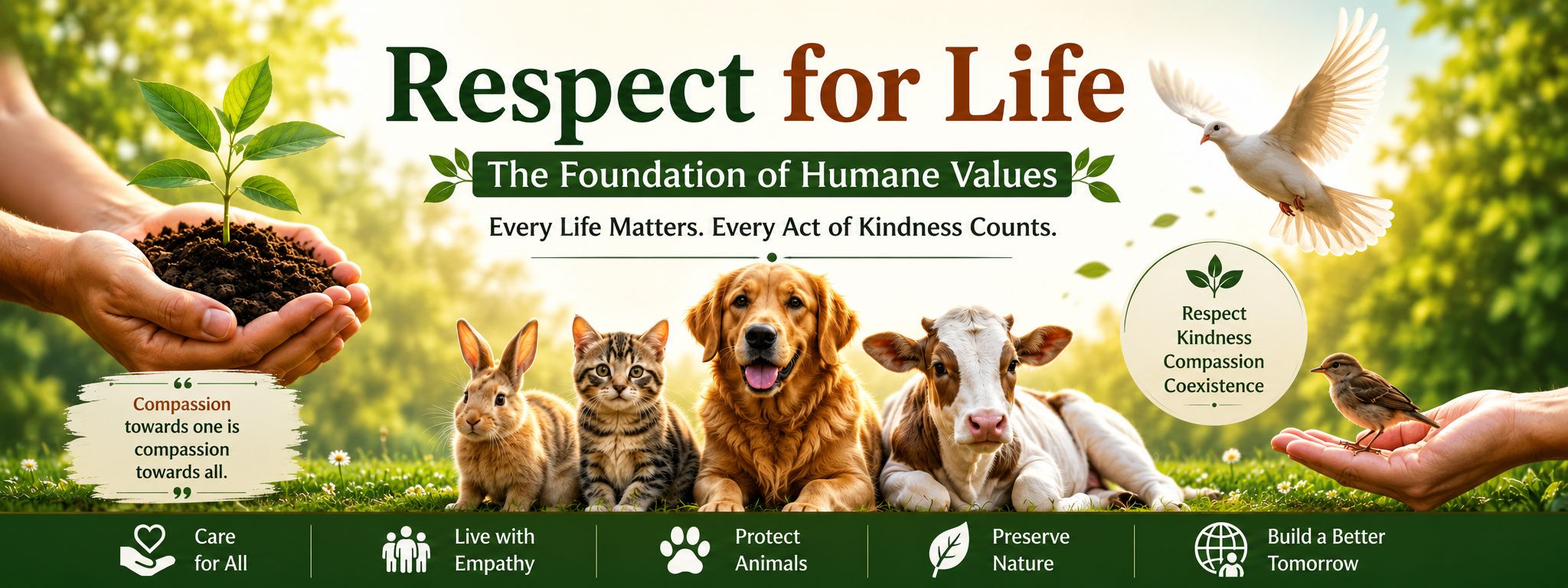
Respect for Life: The Foundation of Humane Values

Respect for life forms the cornerstone of humane values and ethical living. By recognizing the inherent worth of every living being, individuals develop a deeper sense of responsibility, fairness, and consideration in their actions. Moreover, this principle encourages thoughtful choices that promote harmony, dignity, and mutual understanding. Such awareness not only strengthens personal character but also contributes to more compassionate and inclusive communities. However, respect extends beyond words and intentions. Therefore, demonstrating kindness, practicing tolerance, and valuing the well-being of others become essential steps toward creating a society built on humanity, peace, and shared respect.
Compassion Towards Animals and Animal Welfare

Compassion towards animals reflects a broader commitment to kindness, responsibility, and ethical living. Since animals can experience pain, fear, and comfort, treating them with care demonstrates a deep respect for life in all its forms.

Furthermore, supporting animal welfare helps create a more humane society where protection, empathy, and responsible stewardship are valued. Simple actions, such as preventing cruelty and promoting proper care, can make a meaningful difference in their well-being.

However, animal welfare extends beyond individual efforts. Therefore, raising awareness, encouraging humane practices, and protecting vulnerable species remain essential for fostering a more compassionate and balanced world.

Saint Dr. MSG’s Example of Compassionate Service: Inspiring Humanity Through Kindness

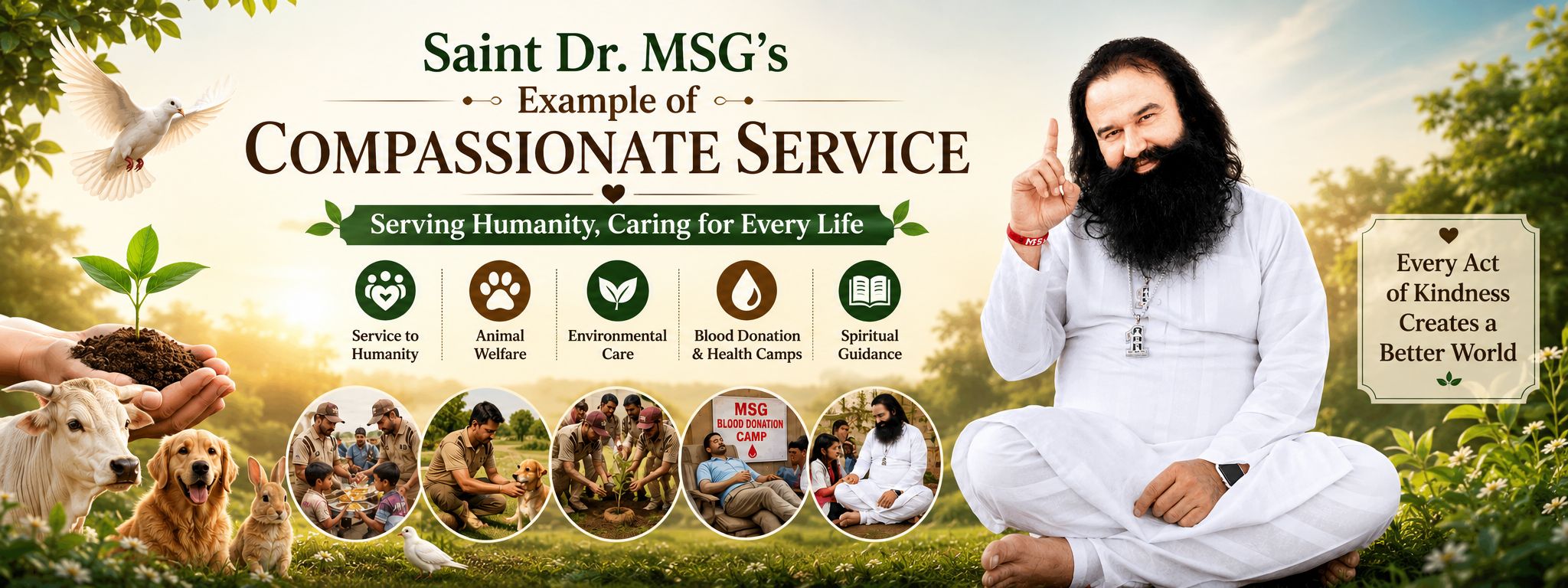
Saint Dr. MSG’s Example of Compassionate Service

Saint Dr. MSG is often recognized for promoting compassion through practical service and humanitarian initiatives. His teachings emphasize that genuine spirituality is reflected not only in words but also in actions that benefit society and support those in need. Moreover, his message encourages individuals to cultivate empathy, selfless service, and respect for all living beings. Through various welfare-driven efforts, he has inspired many people to contribute positively to their communities and embrace a spirit of kindness. However, the true significance of compassionate service lies in its ability to create lasting change. Therefore, the example set through such initiatives serves as a reminder that even small acts of care can make a meaningful impact on countless lives.

Building a More Compassionate Future

Building a more compassionate future begins with the choices people make every day. Simple expressions of kindness, understanding, and respect can gradually shape stronger relationships and more caring communities.

Furthermore, fostering empathy in families, schools, and workplaces encourages cooperation and mutual support. As these values spread, they help reduce division and create an environment where everyone feels valued and respected.

However, meaningful progress requires consistent effort and collective responsibility. Therefore, embracing compassion as a guiding principle can pave the way for a future marked by greater harmony, inclusiveness, and shared well-being.

Bringing It All Together

The principle that No Religion Teaches Cruelty serves as a reminder that compassion is the true heart of spirituality. By embracing kindness, empathy, animal welfare, and respect for life, individuals can contribute to a more humane, ethical, and peaceful world.

Ultimately, true spirituality is not measured by what people say but by how they treat others. Compassion towards all living beings remains one of the most powerful ways to create positive change in society.

FAQ Schema

1. What does “No Religion Teaches Cruelty” mean?

The phrase “No Religion Teaches Cruelty” means that genuine spiritual teachings encourage compassion, kindness, mercy, and respect for life. While religious practices may vary, the core message of every faith promotes humanity, ethical living, and care for all living beings.

2. Why is compassion considered the foundation of true spirituality?

Compassion is considered the foundation of true spirituality because it inspires people to act with empathy, understanding, and kindness. Moreover, compassionate actions strengthen relationships, support community welfare, and reflect the deeper values taught by spiritual traditions.

3. How can compassion towards animals improve society?

Compassion towards animals promotes animal welfare, responsible care, and respect for life. Furthermore, societies that value animal protection often demonstrate stronger humane values, greater empathy, and a higher sense of social responsibility.

4. How can individuals practice compassion in daily life?

People can practice compassion by helping those in need, supporting charitable causes, protecting animals, respecting the environment, and showing kindness in everyday interactions. As a result, these actions contribute to a more peaceful, ethical, and harmonious society.

5. Why is respect for life important in modern society?

Respect for life encourages individuals to recognize the value and dignity of every living being. Consequently, it promotes ethical decision-making, environmental responsibility, peaceful coexistence, and a culture built on kindness, compassion, and mutual respect.

3 Responses

  1. Very inspiring article! The connection between respect for life, kindness, and a better society is explained wonderfully. Thank you for spreading such a positive message.

  2. Wonderful perspective on humane values and respect for life. The message encourages readers to become more caring, responsible, and compassionate in their daily lives.

Leave a Reply

Your email address will not be published. Required fields are marked *